Symposium 2026 | Holding the turbulent world at work | Parallel Paper Session 5
Babel curse or cure? - role of language in holding the turbulent world
Dragana Vranješ, Dr Judit Gáspár, & Dr Jim Krantz
Dragana Vranješ
Dragana Vranješ MPsych, MBA, MEcon is organisational and group relations consultant, psychoanalytical psychotherapist, author and researcher with past professional experience in management consulting and the financial services sector. In her engagement with organisations, Dragana consults entrepreneurs and high potential leaders on leadership development and leadership transition, organisational and cultural change and strategy implementation. Dragana is a Board Director of the International Society for Psychoanalytic Study of Organisations (ISPSO). She is a member of International Society for Transference Focused Psychotherapy (ISTFP), Organisation for Promoting Understanding of Society (OPUS) and founding member of Central and Eastern European Group Relations Associates (CEEGRA).
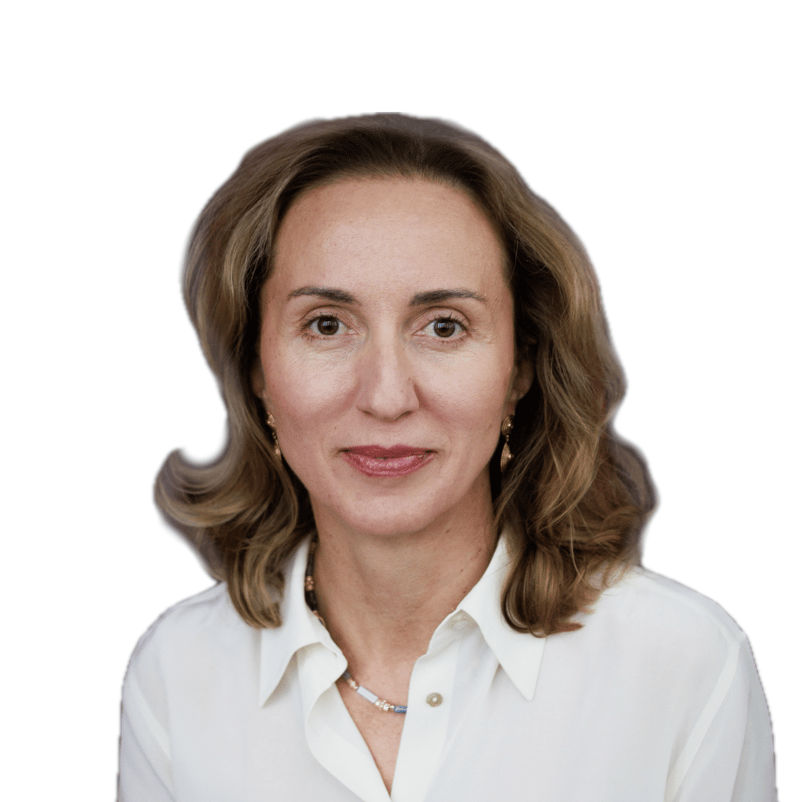
Dr Judit Gáspár
Judit Gáspár, PhD. is an associate professor and Head of the Decision Sciences Department at the Corvinus University of Budapest, her lectures and research focus on decision-making, strategy-as-practice, responsible foresight, participatory and reflexive methodologies. She is currently a Visiting Researcher at the University of Cambridge at the Institute for Technology and Humanity Centre for the Study of Existential Risk. Judit is involved in several research programmes, e.g. Community Engaged Research and Learning (CERL), Models, Assessment, and Policies for Sustainability (MAPS). She is a founding member of Corvinus Science Shop to support service learning and community-based research activities. She is a member of ISPSO and a trained host of Social Dreaming and Social Photo Matrix methodologies.
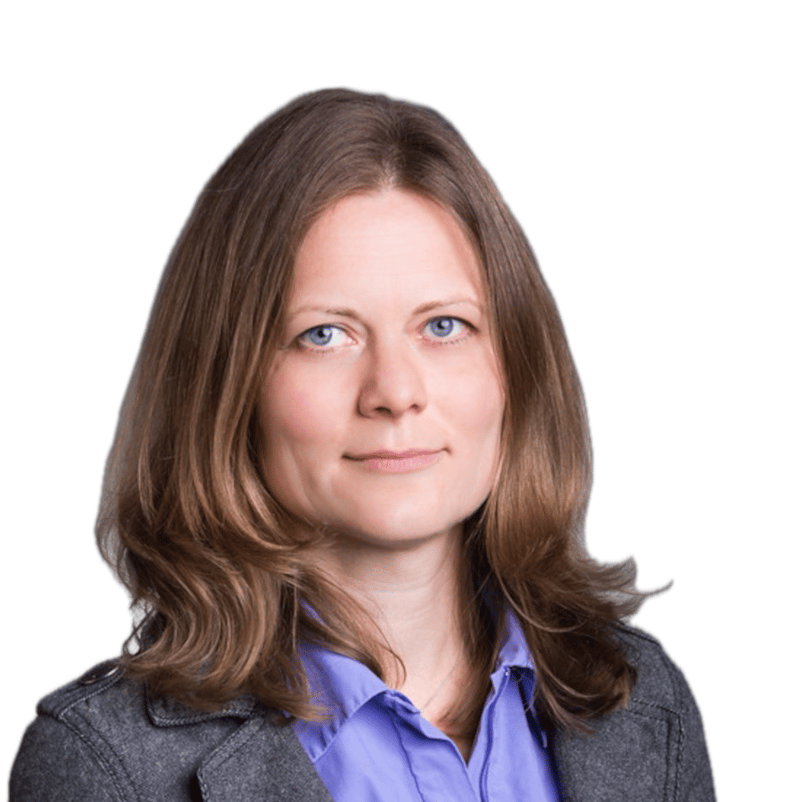
Dr Jim Krantz
James Krantz, Ph.D. is an organizational consultant and researcher from New York City. His interests center on the unconscious background to work and organizational life; on how new forms of work organization are affecting the exercise of leadership & authority; and the impact of the “virtual self in role” on organizational life. He is particularly interested in the presence of unconscious factors and their manifestations in work related functioning of groups and organizations. James is a principal of Worklab, a consulting firm focusing on strategy implementation and leadership development. He is past president of the International Society for the Psychoanalytic Study of Organizations (ISPSO), and has taught about the history, theory, and use of systems psychodynamics in a wide range of institutions.

Abstract
The story of the Tower of Babel has long served as a foundational myth for understanding the complexities of human language. In this ancient narrative, linguistic diversity emerges as both consequence and catalyst: a divine response to human ambition that results in fragmentation, misunderstanding, and dispersion. Yet despite its portrayal as a curse, Babel also invites a contemporary re‑examination of the generative possibilities inherent in linguistic multiplicity. In a globalised world—where cultural exchange, migration, and digital communication continually reshape our experiences of identity and belonging—the question arises anew: Is the diversity of languages ultimately a curse, or can it also be a cure or even a blessing?
Language is not merely a tool for communication; it is a medium through which identity is constructed, boundaries are drawn, and intimacy is negotiated. It marks inclusion and exclusion, signalling who is recognised as belonging and who remains other. From the early mother–child dyad, where the “mother tongue” becomes the first translator of the world, to organisational and societal structures in which accents, dialects, and linguistic proficiency shape authority and influence, language acts as a powerful organiser of conscious and unconscious group dynamics. In socio‑analytic and psycho‑social contexts, the use of non‑native languages introduces layers of vulnerability, projection, dependency, and shame—alongside opportunities for connection, creativity, and expanded understanding.
At the same time, multilingual environments reveal the ways in which communication serves functions beyond information exchange. They expose anxieties around power, authenticity, and trust; they challenge the management of boundaries; and they surface tensions between assimilation and the preservation of difference. The role of translators, forming a liminal space—formal or informal, cultural or organisational—becomes crucial in mediating these dynamics. Emerging technologies such as AI‑based language models now participate in this shrinking transitional space, complicating traditional notions of authority, social relatedness and co-creation of meaning.
This paper explores how linguistic diversity manifests within group relations, particularly in international organisational settings such as the ISPSO community. Drawing on workshop-generated narratives and socio‑analytic methodology, we investigate how language shapes experiences of belonging, othering, regression, stress, and intimacy. Rather than framing Babel solely as a myth of fragmentation, we examine how linguistic differences can also serve as a container for new forms of connection, creativity, and collective understanding.
Ultimately, we ask: What does linguistic diversity activate in groups and individuals—and how can it hinder or enable the work of thinking, relating, and leading across cultures? In doing so, we aim to illuminate the psychological undercurrents of multilingual environments and to consider how language may function not only as a boundary but also as a bridge.
Presented by