
Complexity, Creativity and Community in a Networked World
This video has been produced for the NIODA 2021 online group relations working conference. As well as introducing the theme, it aims to demystify the conference by explaining some key concepts using everyday language.
Written by Nuala Dent & Julian Foot, with contributions from Andrea Foot, Ellie Robinson and Susan LongVideo Direction and Production by Julian Foot, Leaf Logics

BENJAMIN with Professor Wendy Harding
BENJAMIN seminar with Professor Wendy Harding 📆 8.30 - 10.30 am Wednesday 6 August 2025 (Melbourne time) BENJAMIN seminar Professor Wendy Harding Jessica Benjamin is an important and influential psychoanalysts, author and professor. She is one of the founders...
Blogs from NIODA’s 2021 Group Relations Conference Staff

The shadow of our limiting beliefs
by NIODA Guest
The shadow of our limiting beliefs Sunitha LalThe shadow of our limiting beliefsAt a Group Relations Conference two years back, the Primary Task...

COVID, Our Teacher
COVID, Our Teacher Dr James Krantz COVID, Our TeacherA recent newscast about ‘COVID’ panic brought to mind an article that impressed me as an...

What does it take to be vulnerable online?
What does it take to be vulnerable online? Thomas MitchellWhat does it take to be vulnerable online?I find myself wondering about this again and...

What is a Group Relations Conference?
by NIODA
Complexity, Creativity and Community in a Networked World This video has been produced for the NIODA 2021 online group relations working conference....

The Lime Neighbourhood
At a recent online group relations conference, I had the opportunity to explore the concept of neighbourhoods. This blog will describe my experience and, I hope, stimulate thinking about how we create a sense of community in online places.
Would you like to submit your own response to the Interim Voice Report?
Related insights

Have you been reading organisations all your working life?
Ever wonder why formal plans rarely match workplace reality? Discover how reading organisations and systems psychodynamics turn curiosity into disciplined leadership
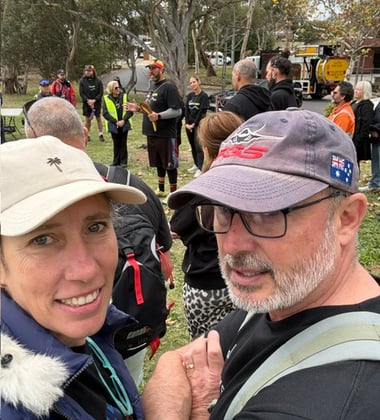
Walking Together: Reflections from the Walk for Truth
A wet Canberra morning at the Walk for Truth sparked a question: could walking together transform how teams connect, converse and reflect?

Slow Down to Lead: The Reflective Edge in Leadership and Management
Most leaders know something important is being lost in the pace of modern work. The capacity to think clearly, read the room, and lead with genuine presence gets crowded out by meetings, deliverables, and the pressure to always appear in control. Slow Down to Lead explores the reflective edge in leadership — what it means to pause without stopping, why emotion is data not distraction, and how developing a reflective practice changes not just how you lead, but how you see.